
Lightcurve’s, SVP, Sales and Marketing, Beth Barnes, Exclusive Interview with MarTech Pulse on Fiber Growth & AI Marketing
Stay updated with us
Sign up for our newsletter
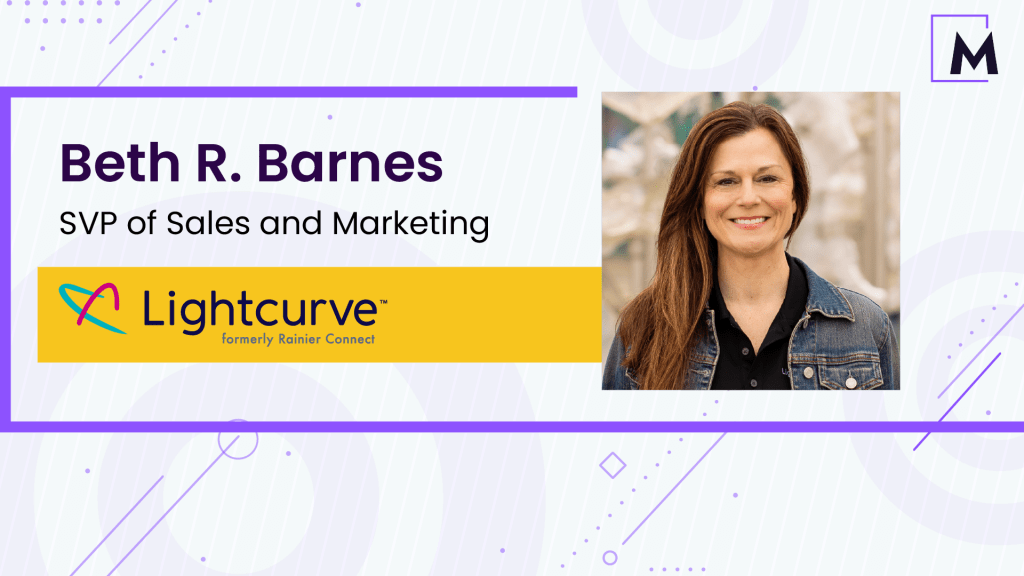
In an exclusive interview with MarTech Pulse, Beth Barnes shares how Lightcurve is accelerating fiber growth through local community engagement, AI-driven personalization, and data-led broadband marketing strategies.
Lightcurve has the right mix of technology, customer service, and local commitment that makes it well-positioned to grow, and that combination is something I wanted to be part of.
What really excited me was seeing a company that’s genuinely investing in the communities it serves by building out fiber network infrastructure. That investment isn’t just about faster speeds, it’s about improving connectivity and quality of life for the people and businesses in these communities. As someone planning on relocating to Washington, I’m excited to not only help grow the Lightcurve brand but to become part of the community myself.
From a professional standpoint, the opportunity to build out marketing capabilities that drive overall company growth was incredibly appealing. There’s a lot of runway here, and being able to shape that trajectory from a marketing perspective is energizing.
My experience at Alaska Communications aligned well with the role at Lightcurve, building awareness in the markets we serve, executing communications that support sales, and establishing a genuine presence in local communities. That foundation gave me the tools to hit the ground running here.
For the Selah fiber build delivering 2 Gbps to 2,900 homes and businesses, how are you crafting targeted campaigns to drive consumer awareness and B2B adoption in underserved communities?
We use a variety of approaches to drive awareness and adoption in underserved communities like Selah.
First, we like to get involved at the local level. That means holding kick-off events to introduce ourselves to the community, as well as participating in existing community events. Building that face to-face connection early on helps establish trust and gives residents a chance to learn who we are and what we’re bringing to their neighborhood.
From there, we’ve developed awareness and consideration marketing strategies specifically targeting our fiber build locations. These campaigns are designed to educate consumers on what we’re doing and why we’re doing it, helping people understand the value that a fiber network brings to their community. We leverage public relations, social media, and local media outreach to generate excitement and keep the conversation going throughout the build process.
We also support these efforts through our sales teams, who are on the ground to answer questions and convert interest into actual sign-ups from households. It’s a full-funnel approach, from initial community engagement to marketing awareness to direct sales support, that ensures we’re meeting people where they are throughout the process.
You’ve emphasized customer experience in fiber rollouts like Thorp and Edgemont what MarTech tools or tactics from your Alaska days are proving most effective for Lightcurve’s local engagement?
We’re leveraging a number of MarTech tools and tactics across the business to support our fiber rollouts and local engagement efforts.
On the communications side, we’re utilizing our email platform to keep customers informed throughout the build process: sharing status updates, next steps, and what to expect as we bring fiber to their neighborhood. That consistent communication helps build anticipation and keeps the community engaged from start to finish.
On social media, we’re using platform tools to actively engage with the communities we serve, sharing stories, posting build updates, and highlighting local businesses along the way. It’s a great way to show that we’re not just building a network, we’re invested in the fabric of the community.
From a sales perspective, we’re utilizing platforms that help us track our engagement with each community. That gives us not only follow-up opportunities with interested households but also the ability to measure and track the success of our overall sales program in each market.
A lot of these same tools were ones I worked with during my time at Alaska Communications. The lessons I learned there about what works, and what doesn’t, have been invaluable in helping us build out the right MarTech stack, tactics and processes at Lightcurve to drive real results.
Lightcurve’s deployment of ActifAI for ecommerce highlights your digital push how does this integrate with traditional marketing to boost conversions during network launches?
We’ve integrated AI within our ecommerce solution to help consumers select the best product that fits their broadband usage. Rather than presenting a customer with a list of plans and expecting them to figure out which one is right for them, the AI guides that decision based on how they actually use the internet. It creates a more personalized shopping experience that builds confidence in their purchase and ultimately drives stronger conversion rates.
On the marketing side, we track all of our marketing channels through our online conversions to determine how to optimize those conversion rates. It’s not just about driving traffic, it’s about understanding whether we’re getting the right people into the funnel. Are the audiences we’re reaching through digital, social, direct mail, or community events actually converting? That visibility allows us to make smarter decisions about where to invest our marketing dollars and how to refine our messaging to attract the customers most likely to take action.
Together, it’s a combination of using AI to improve the customer experience on the front end and leveraging data on the back end to make sure our marketing efforts are working as hard as they can during each network launch.
In quotes on Selah and Kittitas projects, you stress local investment how do community partnerships factor into your marketing mix for sustainable broadband growth?
Involvement with the local business community and organizations is essential to building trust in the markets we serve. By engaging locally, either through events, partnerships or sponsorships, we’re demonstrating that we are here in Washington, we live in the communities we serve, and that we’re willing to show up for our customers. In an industry where we face much larger, multi-national competitors, our investment and involvement in the local community – and support for the local workforce, is a moat that outsiders can’t easily cross.
Looking to 2026, what broadband marketing shifts do you foresee like AI personalization or multichannel attribution as fiber saturates more rural markets?
As fiber continues to reach more rural markets, I think we’ll see a few meaningful shifts in how broadband is marketed.
AI personalization is certainly on the horizon and something we need to keep a close eye on. The ability to deliver more relevant, tailored messaging to customers based on where they are in the decision journey, whether they’re just learning about fiber availability or ready to sign up, is going to become table stakes. It allows us to be smarter about how we communicate and ensures customers are getting the information that matters most to them at the right time.
Multichannel attribution is another area that will continue to evolve. As we invest across multiple marketing channels, from community events and direct mail to digital advertising and social media to understanding which touchpoints are actually driving conversions becomes critical. That insight allows us to allocate resources more effectively and optimize our marketing spend in each market.
But beyond the technology, I think the biggest shift is going to be the continued importance of local. As fiber saturates more rural communities, the providers who win won’t just be the ones with the best technology, they’ll be the ones who’ve built genuine relationships in those communities. Tools like AI and attribution models will help us work smarter, but they need to be layered on top of an authentic, community-first approach. That’s something we’re committed to at Lightcurve and it’s a differentiator that technology alone can’t replicate.
From your 13+ years in telecom (25+ years in business), what one lesson from past expansions will define Lightcurve’s marketing playbook for scaling across Washington in 2026 and beyond?
It’s simple, listen to the market and listen to your customers. Be genuine with them. Be willing to have a conversation and let them have a voice. Understand their needs and what matters to them.
Having over 25 years of experience in research and analytics, I’ve seen firsthand how powerful it is when you let data and customer insights guide your decisions. When you truly listen, both to what the market is telling you and what your customers are saying, it shapes everything, from how you communicate to how you build your products and services.
At the end of the day, we want to be more than just a local internet provider. We want to be a good neighbor and an active member in the communities we serve across Washington.
Write to us [wasim.a@demandmediaagency.com] to learn more about our exclusive editorial packages and programmes.
Beth R. Barnes serves as Senior Vice President of Sales and Marketing at Lightcurve, a customer-focused broadband provider delivering high-speed fiber internet to communities across Washington state. Beth joined Lightcurve from Alaska Communications, where she spent over a decade in various leadership roles, most recently as Vice President of Mass Markets and Marketing.
Lightcurve is a customer-focused broadband provider bringing reliable, high-speed connectivity to communities across the State of Washington. With a commitment to accessibility, service, and innovation, Lightcurve is redefining what it means to connect locally