B2B Demand Generation: How to Build a Pipeline Engine That Actually Scales
Stay updated with us
Sign up for our newsletter

When you hear the term B2B demand generation, what do you understand?
I am sure it sounds like something a really serious guy in a suit would say in a boring meeting.
But do we actually understand it?
B2B demand generation is when a company that sells stuff to other companies tries to make people notice them, get interested in what they are selling, and eventually buy it. It is not just throwing ads at people and hoping someone clicks. It is more like building a whole engine that runs on its own and keeps bringing in new customers without the whole thing falling apart every five seconds. This blog is going to explain how B2B demand generation actually works, how you build something that can grow properly, and what the smart marketing teams are doing that everyone else is not.
What Is B2B Demand Generation and Why It Matters
A lot of people mix up demand generation with lead generation and they are actually not the same thing at all.
Lead generation is when someone already knows they want something and places themselves in your funnel helping you extract their contact info.
B2B demand generation is when you have to make them want it in the first place. It is the part that happens way before anyone fills out a form. You are planting ideas in people’s heads so that when they finally need a solution, they already know who you are. Now why does this matter so much for companies selling to other companies? Because it is not like selling a phone case on Instagram. When a business buys something, there is a whole group of people involved in the decision. There is the person who found the product, then their manager, then the finance team, then maybe a technical person, and they all have to agree. That whole process can take months. So if you have not been building awareness and trust the whole time, you are going to get to the end of that process and lose to someone who has. A good demand generation strategy warms the whole room up before your sales person ever walks in.
Building Your Demand Generation Strategy From Scratch
Okay so think about it like building a Lego set. If you skip the instructions and just start sticking random pieces together, it might look okay for a minute but it is going to fall apart pretty fast. You have to start from the base and work up. Your demand generation strategy is exactly the same.
Now what matters before you start making content or running ads or doing anything like that, is to understand three things really well.
1. Who are you actually trying to talk to?
2. What problems do those people have?
3.Why should they care about what you are selling instead of just ignoring you?
Most marketing teams skip all of that and go straight to posting stuff on LinkedIn and then they sit there confused about why nobody is converting. It is because they built the roof before they built the floor. The whole thing is designed to fail from the beginning.
Once you actually have a solid foundation, a proper demand generation strategy works in layers. The first layer is content that teaches people about the problem and makes your brand look smart and trustworthy. The second layer is using retargeting and email sequences to stay in front of the people who showed some interest. The third layer is case studies and demos and things that push interested people to actually make a move. Each layer feeds into the next one, kind of like how one domino pushes the next. It is honestly not that exciting to build.
It is just the boring stuff that works.
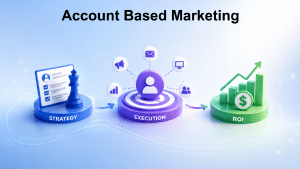
Read More – Account Based Marketing: Strategy, Execution and ROI for B2B Teams
The B2B Lead Generation Strategy Inside Your Demand Engine
So this is the part where people get confused again. Your B2B lead generation strategy is not your whole demand gen plan. It is just one piece of it. Here is a way to think about it. B2B demand generation is when you create a big ocean full of fish. Lead generation is when you drop the fishing rod in. If you skip the B2B demand generation part and just try to fish in a tiny puddle, you are going to catch basically nothing. But if you build up a proper ocean first, then your lead gen stuff works so much better.
A smart B2B lead generation strategy right now is focused on two things at the same time.
First, catching people who are already looking for what you sell.
Second, creating interest in people who do not even know they have the problem yet. The stuff that actually works for this is pretty straightforward once you see it. You make really useful content, like proper research reports or playbooks that people actually want to read, not just boring blog posts.
You run webinars where you teach something genuinely helpful. You create SEO content so people find you when they are searching for answers on Google. And you build communities where your target buyers can hang out and learn from each other. The thing all of these have in common is that they give people something useful before asking for anything back. That is the whole idea. You help first, and eventually people trust you enough to become a lead.
Pipeline Generation Marketing: Turning Awareness Into Revenue
Here is a thing that kind of blew my mind when I first learned it. You can have thousands of people following you on LinkedIn and reading your content every week and still have a completely empty pipeline. Awareness does not automatically become money. That is what pipeline generation marketing is about. It is the part of the system that takes all the awareness you have built and actually moves people toward buying something.
This includes things like running really targeted campaigns for the specific accounts your sales team is going after. It includes sending personalised outreach that does not feel like it was written by a robot. It includes making sure that when someone visits your demo page, the whole experience actually makes them want to take the next step.
The biggest thing that separates the teams that are good at pipeline generation marketing from the ones that are not is how well their marketing and sales people actually talk to each other. When marketing knows exactly which accounts sales is focused on, they can surround those companies with helpful and relevant stuff at the exact right moment. And when sales knows what content a prospect has already seen, they can have a way smarter conversation on the first call.
But this does not just happen naturally. Someone has to make it happen on purpose. Shared goals, shared tools, and actually talking to each other regularly. When it clicks though it is honestly kind of amazing. Prospects start saying things like “I feel like I see you guys everywhere” which is exactly what you want them to say.
Read More – How a Composable CDP Lets You Treat 1,000 Customers Like Your Only One
The Demand Gen Framework That Scales
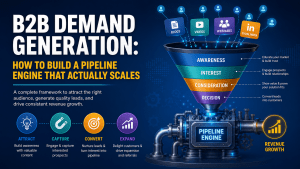
Alright so here is where we bring everything together and make it make sense. A demand gen framework that can actually scale without breaking has four parts. You can call them Create, Capture, Convert, and Expand. Create is where you make content that teaches your market stuff. Blog posts, videos, podcasts, social content. The whole point here is not to generate leads immediately.
The point is to make your brand the most helpful and trusted voice in your space so people think of you first. Capture is where your B2B lead generation strategy comes in. You use gated reports, webinar sign-ups, free tools, and stuff like that to get contact details from people who are engaged enough to raise their hand and say yes I want to know more. Convert is pipeline generation marketing. This is where nurture emails, sales calls, ABM campaigns, and product demos come in. You are taking interested people and turning them into actual revenue opportunities.
Expand is the one most people forget but it might actually be the most important one. Once someone becomes a customer, you do not stop. Your demand gen framework should be helping you sell them more things and turn them into people who recommend you to their friends and colleagues. When all four of these are working properly and the data is flowing between them cleanly, you have something that can actually grow. You add more budget, more content, more channels, and the whole thing just gets better and better instead of breaking under the pressure.
Common Mistakes That Kill B2B Demand Generation Programs
Since we are keeping it real, let us talk about why most of these programs fail. The biggest mistake is thinking B2B demand generation is a campaign. A campaign is something you do for six weeks and then it ends. B2B demand generation is not a campaign. It is a system that you build and then keep running and improving forever. Teams that treat it like a campaign do one big push, get a handful of leads, and then move on. Then they wonder why they have to start from zero every single time.
The second mistake is caring about the wrong numbers. Getting excited because your email open rate went up or your LinkedIn post got loads of likes is fine, but those numbers do not pay the bills. The numbers that matter are how much pipeline marketing is creating, how fast deals are moving through that pipeline, and how much revenue marketing is influencing.
Third mistake is giving up too fast. B2B demand generation is genuinely slow at the start. Something you publish today could influence a deal that closes in eight months. If you shut the whole thing down after two months because the leads are not rolling in yet, you are just going to keep restarting and never actually build any momentum. The fourth mistake is when marketing and sales do not talk to each other. Your whole demand generation strategy depends on sales actually following up on the right signals and telling marketing what is working and what is not. Without that feedback loop, you are guessing.
FAQ: B2B Demand Generation Questions Answered
Q. What is the difference between a demand generation strategy and a B2B lead generation strategy?
B2B demand generation is about creating awareness and interest in your market before anyone is ready to buy. A B2B lead generation strategy is about capturing contact details from people who are already interested. B2B demand generation comes first and makes lead generation work better. If you only do lead gen without building demand, you are constantly chasing people who are not really warmed up yet.
Q. How long does it take for a demand gen framework to start showing results?
Honestly it takes longer than most people want. Most companies start seeing real pipeline impact somewhere between three and six months in, if they are being consistent. You might see traffic and engagement go up sooner than that, but pipeline generation marketing takes time to build up because you are warming people up slowly and that just does not happen overnight.
Q. What channels actually work best for pipeline generation marketing?
It really depends on your audience and what you are selling. But for most B2B companies, a mix of content marketing, LinkedIn, targeted email nurture, and account-based marketing campaigns tends to give the best results for pipeline generation marketing. If you are selling high-ticket stuff, in-person events and conferences can work really well too because trust is easier to build face to face.
Q. How do I make my B2B lead generation strategy actually connect to the rest of my B2B demand generation program?
The way to do it is to map out your content to where someone is in their buying journey. At the top, you make stuff that builds awareness and pulls people in. In the middle, you create things that help people understand the problem better and evaluate solutions. At the bottom, you have case studies and demos that push people to take action. Then you make sure sales and marketing agree on what a good lead actually looks like so nobody is wasting time chasing the wrong people.