
Privy, CEO Alex Persson’s Exclusive Interview with MarTech Pulse on Ecommerce Growth
Stay updated with us
Sign up for our newsletter
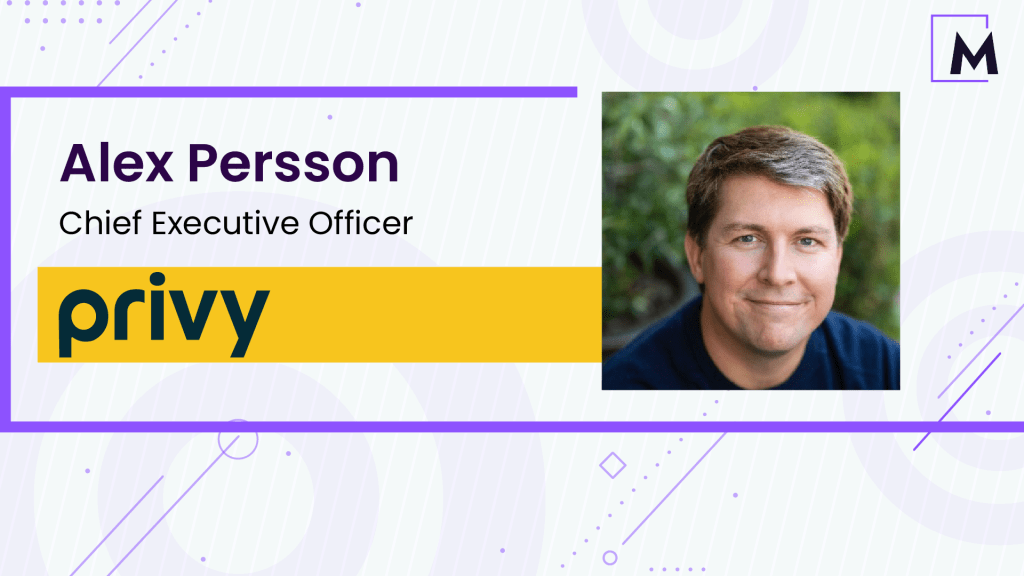
Can you trace your 15-year career from strategic planning at Jefferies and private investing, through leading WeCommerce as CEO, to key decisions that prepared you for scaling ecommerce platforms like Privy?
My career has really been about learning how businesses scale — first through investing and strategic work, and then through operating roles. Earlier in my career, I spent a significant amount of time around acquisitions, investments, and strategic decision-making, including work tied to Jefferies, which gave me a strong lens on how software businesses create value over time. At WeCommerce, I moved much closer to execution, overseeing acquisitions, portfolio companies, and then leadership responsibilities that required balancing growth with operational discipline. That path prepared me well for Privy, because scaling an ecommerce platform is not just about product, it’s about clear positioning, customer outcomes, and building a business that can grow without losing focus.
As CEO of Privy since 2024, how has your background in ecommerce investing and operations shaped your leadership in rebuilding the brand around customer-centric list growth, email, and SMS tools?
My background has made me very focused on what creates durable value for merchants. From the outside, it’s easy to over-index on features or categories, but operating experience teaches you that merchants care about outcomes: growing their list, converting more customers, retaining them longer, and doing it without adding unnecessary complexity. At Privy, that has shaped how we think about rebuilding the brand — around simplicity, usability, and helping growing brands get more from onsite conversion, email, and SMS together rather than forcing them to stitch together fragmented tools. That customer-centric approach is consistent with how we’ve described Privy publicly: powerful software, clear value, and real human support.
With Privy’s acquisition of Sendlane to expand SMS automation and cross-channel flows, what immediate impacts do you foresee for merchants leveraging this to enhance e-commerce retention and revenue?
The immediate impact is that merchants should have an easier path to more connected lifecycle marketing. In announcing the Sendlane acquisition, we talked about accelerating deeper automation, more connected reporting, and a more unified platform across onsite conversion, email, and SMS. For merchants, that means less operational overhead, better personalization based on real shopper behavior, and stronger coordination between channels that too often live in silos. When email and SMS are working together inside the same workflows, brands can move faster and improve retention without taking on more tool sprawl.
Looking to 2026, what trends do you predict for e-commerce growth platforms like Privy, especially in AI-optimized personalization, SMS-email synergy, and helping SMBs compete with enterprise-level marketing automation?
I think 2026 will be a year when ecommerce teams push back against unnecessary complexity and demand more leverage from fewer systems. Publicly, we’ve been very consistent that the future is not more dashboards or more disconnected features — it’s more clarity, more connected automation, and AI that helps merchants understand what to do next. I expect three trends to matter most: first, tighter coordination between email and SMS; second, AI that recommends actions instead of just surfacing raw data; and third, more accessible automation that gives growing brands capabilities that used to be limited to larger enterprises. The opportunity is to help smaller teams compete with smarter workflows, better segmentation, and better use of owned channels.
Read More – How AI Email Marketing Drives 1:1 Personalization at Scale
From your experience turning around Privy post-independence, what core advice would you give MarTech leaders on fostering extreme customer-centricity while rapidly iterating email/SMS products for sustainable merchant growth?
The biggest lesson is that customer-centricity has to be operational, not just aspirational. It means deciding what to simplify, what to integrate, and what to say no to based on what helps customers grow. In our public messaging around both Emotive and Sendlane, we’ve emphasized intuitive tools, transparent pricing, connected workflows, and human support. To me, sustainable growth comes from building products that merchants can adopt quickly, see value from quickly, and continue to trust as their needs evolve. Rapid iteration matters, but only if it is anchored in real merchant outcomes.
Reflecting on Privy’s evolution through acquisition, Sendlane integration, and your CEO tenure, what’s the pivotal career lesson you’d impart to executives building composable ecommerce marketing stacks?
I’d say the most important lesson is that “more tools” is not the same thing as a better stack. Ecommerce teams have spent years being told that best-of-breed always means adding more platforms, more workflows, and more vendors. But what we’ve been building toward at Privy is the idea that better-connected systems create better outcomes. If you can unify list growth, lifecycle marketing, personalization, and reporting in a way that is intuitive for the merchant, you reduce friction and improve execution. Executives should think hard about whether their stack is empowering the team or simply creating more work.
If posing one question to your pre-Privy self about navigating ecommerce’s shift to integrated growth platforms like Privy with Sendlane, what would it be, and how would you respond now?
I’d probably ask: “Are merchants really looking for more sophistication, or are they looking for more clarity?” My answer now would be that most growing brands want sophisticated outcomes, but they do not want complexity for its own sake. They want tools that help them grow their audience, personalize intelligently, coordinate across channels, and understand what is working. That’s why our direction at Privy has centered on making email and SMS work better together, adding AI in a practical way, and building a platform that feels more human and less fragmented.
Write to us [wasim.a@demandmediaagency.com] to learn more about our exclusive editorial packages and programmes.
Alex Persson is the Chief Executive Officer of Privy an all-in-one email and SMS marketing platform designed to help ecommerce brands grow their audiences, build stronger customer relationships, and drive more revenue through personalized lifecycle marketing. Prior to joining Privy Persson served as CEO of WeCommerce, where he oversaw the company’s portfolio of ecommerce technology businesses and led strategic acquisitions across the Shopify ecosystem. Earlier in his career, Persson worked in investing and operating roles alongside senior leadership at Jefferies Financial Group, focusing on growth-stage technology businesses. Persson holds a bachelor’s degree from the University of Virginia and an MBA from the Stanford Graduate School of Business. He has spent more than 15 years working at the intersection of ecommerce, software, and growth investing, helping digital brands and technology platforms scale more efficiently.
Email & SMS for online brands that need the tools & coaching to grow sales. 17,000+ ecommerce stores have used Privy to generate $7 billion in sales.