
Understanding the Technology Behind AI-Powered Shopping Experiences
Stay updated with us
Sign up for our newsletter
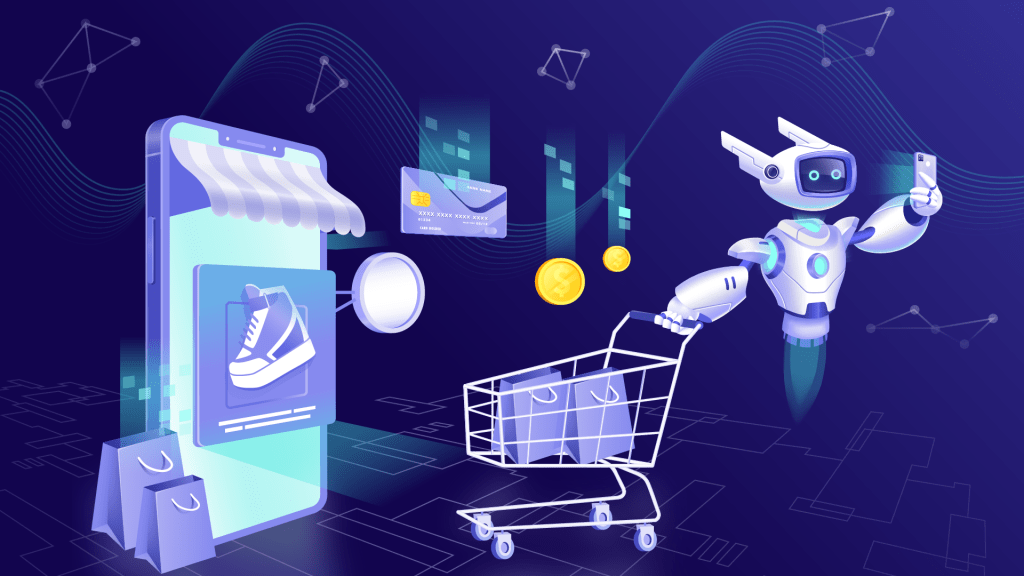
Online shopping has transitioned from its initial phase, which involved basic product displays, to its current state, which offers users deeply customized shopping experiences that adapt to their individual needs. Consumers now expect relevance at every step – what they see, how products are recommended, and when offers appear. The process requires automated systems to meet these demands since a manual rule framework cannot handle it. AI Shopping Intelligence functions as the essential technology that powers contemporary e-commerce platforms, which deliver exceptional performance.
AI-powered shopping experiences use multiple algorithms for their operation. The system consists of multiple linked components that continuously examine user actions and determine their future goals while improving user experience throughout the entire process. Brands can achieve their business objectives by using these technologies to transform their existing merchandise strategies into advanced commerce systems using intelligent data-driven approaches.
What Is AI Shopping Intelligence?
AI shopping intelligence involves the application of machine learning techniques and predictive Analytics methods together with real-time data processing systems to analyze and shape consumer purchasing patterns that occur at various online touchpoints. The research requires organizations to transform their extensive behavioral and transactional datasets into practical findings, which organizations will use to enhance customer product discovery, sales conversion rates, and customer retention efforts.
AI shopping intelligence systems function as dynamic learning systems that continue to develop their capabilities throughout time. The system establishes its recommendations for products and advertising content and media selection through the examination of actual customer behavior patterns instead of following marketer predictions about future customer conduct.
Read More: FirstComm CEO Paul Van Hyfte’s Exclusive Interview with MarTech Pulse on UCaaS Evolution
Core Technologies Powering AI-Powered Shopping Experiences
Brands that use AI Shopping Intelligence need to comprehend all technological components because this knowledge will help them choose their systems and establish integration and development procedures.
Unified Commerce Data Infrastructure
The entire AI shopping system operates on data as its fundamental element. The system needs clean data that remains connected and receives ongoing updates to provide accurate results. Businesses today operate their commercial systems through integrated data systems, which merge customer information with product details, transaction records, and customer interaction history.
AI shopping intelligence for modern retailers needs this infrastructure because it provides them with an all-encompassing customer overview that spans multiple platforms. Data pipelines collect signals from websites, apps, CRMs, CDPs, advertising platforms, and marketplaces to enable better decision-making through intelligent operations.
Customer Identity Resolution Technology
Shoppers interact across devices and sessions, often anonymously. The system uses identity resolution technology to build complete customer profiles from various customer activities. The system combines two matching techniques, which use probabilistic and deterministic methods to monitor user activities when identification details are missing. Organizations get AI shopping intelligence buyer decision process insights, which help identify returning users and track their purpose development and their impact across various channels.
Machine Learning and Predictive Modeling Engines
Machine learning models function as the fundamental technology for AI shopping intelligence. The models use historical data and current data analysis to forecast customer behavior patterns, including purchase probability, churn risk, and product affinity. The main function of predictive engines shows how AI shopping intelligence improves online conversion rates. The AI system creates smooth user experiences through its predictive capabilities, which show relevant content at essential decision points.
Real-Time Decisioning Systems
Shoppers who use AI-based shopping services need to receive their answers immediately. The engines assess incoming signals to activate system processes in real-time, which deliver recommendations, offers, and perform content modifications within milliseconds. AI shopping intelligence for scalable personalized marketing needs these components to deliver personalized experiences to all customers without using fixed methods. User behavior analysis throughout a session leads to automatic changes in decision-making processes.
Personalization and Recommendation Algorithms
Recommendation technology is one of the most visible AI components. The algorithms combine collaborative filtering with content-based modeling and hybrid approaches to select which products, categories, or bundles they should display.
The personalization engines provide users with product recommendations through customized search results, tailored layouts, messaging, and promotional offers. The customized depth of shopping experience supports how AI shopping intelligence drives higher e-commerce revenue by boosting shopping relevance throughout the entire customer journey.
Behavioral Analytics and Intent Detection
Behavioral analytics tools show how users behave in digital spaces. The intent detection models use scroll depth, dwell time, click sequences, and hesitation patterns as input data. The technologies enable AI systems to identify user behavior patterns between casual browsing and strong purchase intent, which affects online and offline user experiences. The systems support AI shopping intelligence for targeted media by helping advertisers match their spending to actual consumer behavior patterns.
Media and Advertising Integration Technology
Modern AI shopping platforms integrate directly with advertising ecosystems. The APIs and data connectors enable audience insights, performance data, and conversion results to synchronize with paid media platforms.
The system uses downstream effects to select the best bids, advertising materials, and audience selection strategies instead of relying on basic performance indicators. The system improves performance measurement through effective resource distribution across different marketing platforms.
Experimentation and Optimization Frameworks
AI systems depend on continuous testing as their main operational function. The testing framework executes automatic A/B and multivariate tests through different user interfaces to identify which design elements produce the best results. The systems support fast development processes as they allow users to optimize systems without needing to create manual configurations or track system progress.
Read More: Ahrefs CMO Tim Soulo’s Exclusive Interview with MarTech Pulse on AI Search and GEO Strategies
Automation and Orchestration Engines
The automation engines manage system operations through their control functions. It determines appropriate times for starting marketing campaigns, changing product prices, sending customer messages, and suppressing promotional content through its ability to assess current market conditions. These systems enable rapid iteration and are often embedded within the best AI shopping intelligence tools for customer behavior, allowing optimization without manual setup or constant monitoring.
Governance, Explainability, and Control Layers
Governance technology provides transparency and control through AI regulation systems, which monitor AI systems as they achieve autonomous operation. The explainability layers enable team members to learn about decision-making processes, while the rule-based restrictions stop teams from reaching forbidden results. These systems are essential for enterprise adoption, ensuring AI operates within brand, legal, and ethical boundaries.
Final Perspective
AI-powered shopping experiences are not driven by a single tool or algorithm. The shopping experience emerges through the combined work of integrated technologies that function as one complete system. Brands that invest in AI Shopping Intelligence must understand these technologies to make better decisions, prevent implementation problems, and achieve sustained competitive benefits.
Write to us [wasim.a@demandmediaagency.com] to learn more about our exclusive editorial packages and programmes